
Why Dehydration Happens More Often Than You Think
Most people in New Zealand think dehydration only hits after a long run or a hot day at the beach. In reality, it creeps up in quieter ways. Warm summers, active jobs, and daily habits like drinking too much coffee and not enough water all add up. By the time you feel thirsty, your body is already playing catch-up.
The human body relies on fluid to regulate temperature, move nutrients, and keep muscles working. When that balance slips, even slightly, you start to feel the first dehydration symptoms: tiredness, poor concentration, and slower recovery. Whether you are sitting in traffic, coaching Saturday sport, or standing on a job site in the sun, dehydration can sneak in before you notice.
Early Signs You’re Dehydrated
The first dehydration symptoms rarely arrive with a warning label. They tend to sneak in through small moments that are easy to brush off. You might tell yourself you are just tired, that the day has dragged on, or that you need another coffee. In truth, your body is already asking for water and electrolytes.
One of the earliest signals is thirst, often paired with a dry mouth or a faint sticky feeling on your tongue. It is your body’s gentle reminder that you are behind on fluids, but most people ignore it until it turns uncomfortable. Then comes the fatigue that settles into your muscles and focus. Without enough fluid, blood carries less oxygen, and even simple tasks start to feel heavier than they should.
Headaches or light-headedness are also common. The brain reacts quickly when hydration drops, and that dull ache behind your eyes or sudden wave of dizziness is your body’s way of saying it needs a refill. You might also notice your urine turning darker or stronger in smell, a sign that the kidneys are conserving water to keep the system balanced.
Sometimes muscles tighten or twitch slightly, especially in the legs or hands. This happens when electrolytes like sodium and potassium start to shift out of range. In New Zealand’s warm climate, these small changes show up faster than people expect. By late afternoon, after a few hours outdoors or on the worksite, you might feel flat and sluggish without knowing why. Catching those early signs and drinking before thirst sets in makes recovery quicker and easier.
When Dehydration Becomes More Serious
If early symptoms go unnoticed, the situation can tip into more serious dehydration. At this point, your body is struggling to keep fluid and salts in balance, and the effects become stronger. The heart begins to beat faster, trying to move a smaller volume of blood around the body. Breathing can quicken as your system works harder to stay cool.
As fluid loss increases, concentration fades and confusion can creep in. You might have trouble following a conversation or remembering small details. The eyes and skin may look dry or sunken, and you might notice you are hardly passing urine at all. These are signs that your body is short on both water and electrolytes, which together regulate nerve signals and muscle movement.
Persistent dizziness or fainting is another warning that dehydration has become severe. At this stage, sipping water alone will not be enough to correct the imbalance. A proper electrolyte drink or medical treatment may be needed to restore balance safely. In hot weather or after heavy exertion, severe dehydration symptoms can develop quickly, particularly for children, older adults, or anyone working hard in protective gear. Recognising these warning signs early can make the difference between a simple recovery and a serious health risk.
What Dehydration Does to Your Body
Water makes up around 60 percent of the human body, so even small losses affect how everything works. Dehydration reduces blood volume, meaning your heart works harder to move oxygen around. Muscles fatigue faster, coordination drops, and your mind becomes cloudy.
Electrolytes like sodium, potassium, and magnesium control nerve signals and muscle contractions. When those levels fall, you feel tired, foggy, and less responsive. Understanding why electrolytes matter helps you see that dehydration is not just about water; it is about balance.
How to Rehydrate Quickly and Safely
Once dehydration sets in, the goal is to replace fluids steadily without overwhelming the stomach. Here is how to rehydrate quickly and safely:
- Sip steadily — smaller amounts absorb more efficiently.
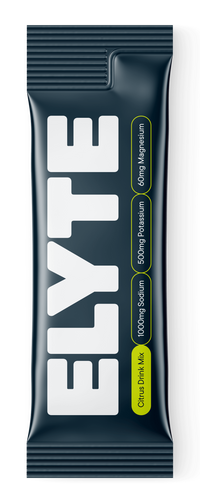
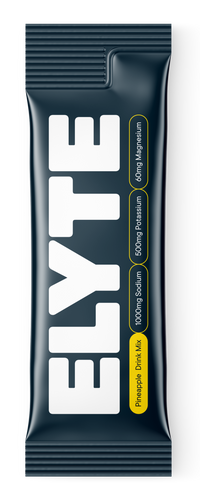
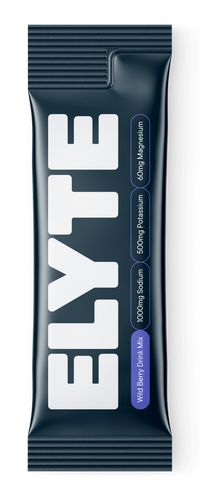
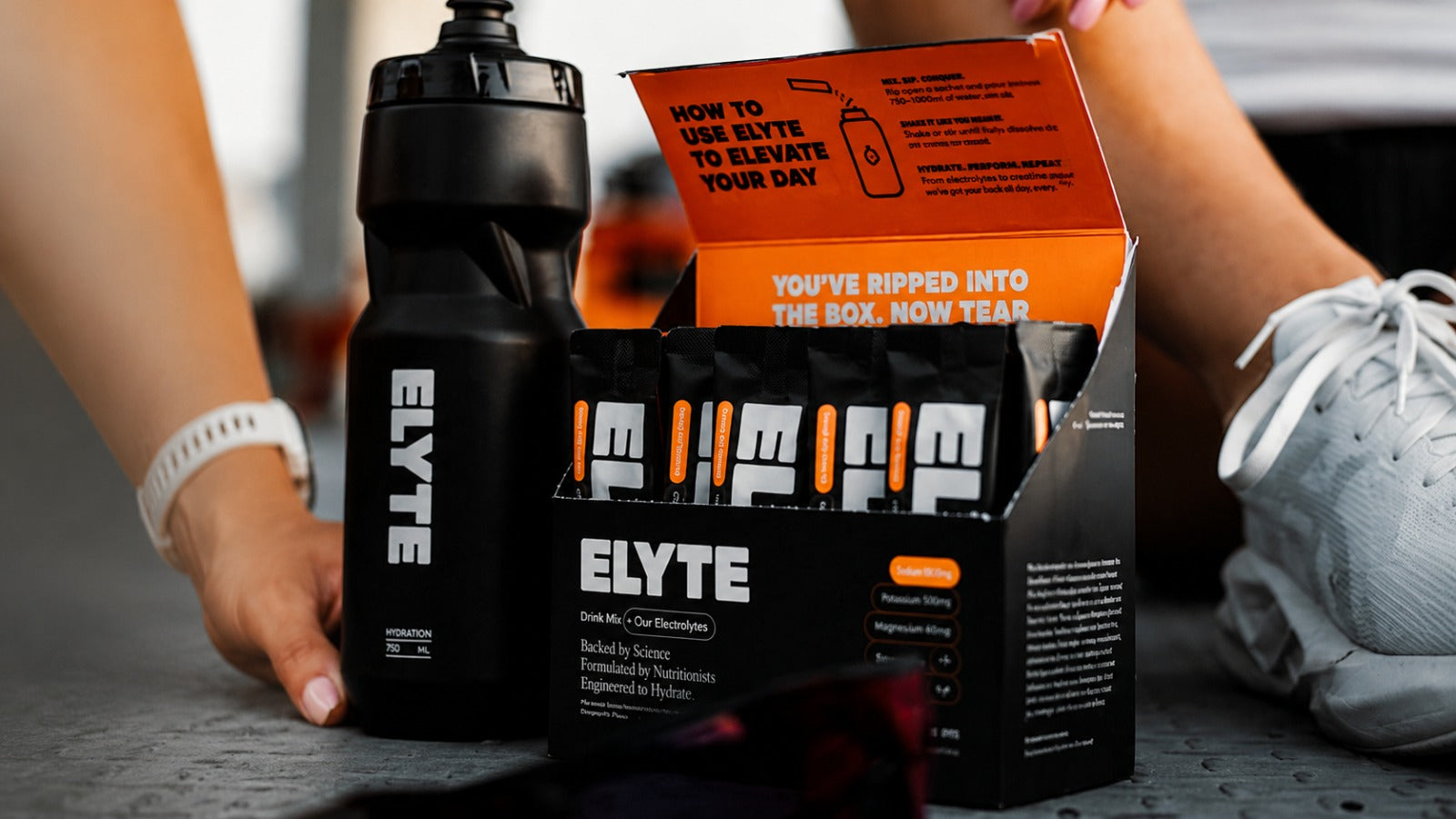
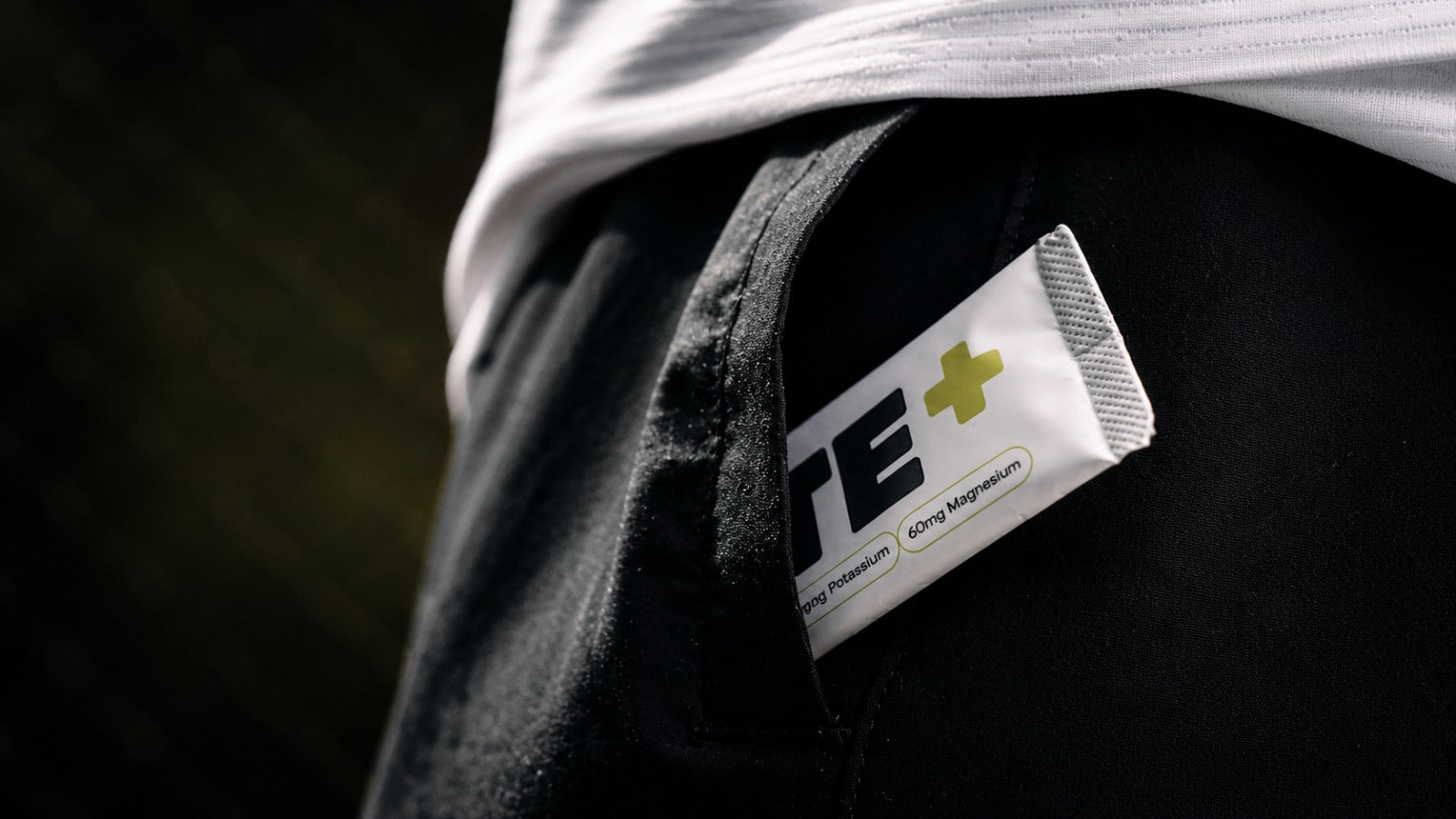
- Add electrolytes — sodium, potassium, and magnesium replace what sweat removes. Elyte Hydration Powder is a clean, sugar-free electrolyte drink designed for this purpose.
- Avoid excess caffeine and alcohol — both increase fluid loss.
- Eat hydrating foods — cucumber, melon, and oranges support recovery.
- Cool your body — rest in the shade or indoors to prevent further loss.
Preventing Dehydration Before It Starts
The easiest way to deal with dehydration is not to let it build up. Simple daily hydration habits can make a big difference.
- Start your day hydrated — drink water or electrolytes before coffee.
- Sip regularly — don’t wait for thirst to hit.
- Increase intake during heat or workouts — your body needs more.
- Set reminders — useful if you forget to drink.
- Use insulated bottles — like the Elyte Stainless Bottle to keep drinks cold.
Hydration for Different Lifestyles
Hydration needs vary depending on what you do each day.
- Athletes — pre-hydrate, sip during training, and add electrolytes afterward.
- Tradies and outdoor workers — fluids are lost faster in hot conditions; keep sachets and water handy.
- Kids and teens in sport — encourage steady sipping before and after games; diluted electrolytes help.
Quick Checklist: Are You Staying Hydrated?
Use this hydration checklist to gauge your daily balance:
- Your urine is light yellow or clear.
- You rarely feel thirsty.
- You wake up without a dry mouth.
- Your energy stays steady through the day.
- You recover quickly after physical effort.
- You keep a drink nearby most of the time.
If several of these are not true, it is time to step up your hydration.
When to Get Help
Most dehydration can be fixed with fluids and electrolytes, but some cases require care. If dehydration symptoms include confusion, persistent vomiting, very little urine, or rapid heartbeat, seek medical attention. Older adults and young children are more at risk because their bodies do not regulate fluid as well.
In emergencies, dehydration treatment may involve intravenous fluids to restore balance quickly.
Stay Hydrated, Stay Sharp
Hydration shapes how you feel, think, and perform every day. By recognising dehydration symptoms early and knowing how to rehydrate quickly, you can keep your body steady and your energy consistent.
For everyday use, keep Elyte Hydration Powder and the Elyte Stainless Bottle close by. Together, they make staying hydrated simple, wherever life takes you.